
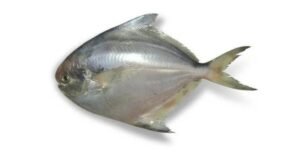
Name (in English): Butter Fish
Scientific Name (In Latin): Peprilus Triacanthus
Details:
Butterfish are small, oval, silvery marine fish of the family Stromateidae, characterized by a small mouth, a single dorsal fin, and a forked tail. Found in warm and temperate waters globally, species like the American butterfish and dollarfish are known for using jellyfish for shelter as juveniles and are valued as food. Other types of butterfish exist, such as the kelp-eating blue finned butterfish found near New Zealand.
Benefits:
Butterfish, also known as pomfret, is rich in omega-3 fatty acids, protein, and vitamins, which support heart health, brain function, and strong muscles and bones. Its nutritional profile includes essential minerals like iodine, iron, magnesium, phosphorus, and selenium, while also providing vitamins B3 (niacin), B12, and D.
Protein: A high-quality source of protein essential for building and maintaining muscle mass and supporting overall body function.
Omega-3 Fatty Acids: Promotes cardiovascular health and may improve cognitive function and vision.
Vitamins: A good source of vitamin B12 and niacin (B3), which are vital for energy metabolism and brain function. It also contains Vitamin D.
Minerals: Provides essential minerals such as iodine, iron, magnesium, phosphorus, and selenium, which contribute to various bodily processes and bone health. Health Benefits.
Cardiovascular Health: The omega-3 fatty acids and healthy fats in butterfish are beneficial for maintaining heart health.
Cognitive Function: Omega-3s are linked to improved brain function and may help protect against age-related cognitive decline.
Vision Protection: Fish, especially those rich in omega-3s, may offer protection against age-related macular degeneration (AMD).
Anti-Inflammatory Properties: Fish oil contains compounds that can help reduce Tissue inflammation.
Muscle and Bone Health: The high protein content supports muscle maintenance, while minerals like phosphorus contribute to strong bones.
Size:
Price:
Availability: